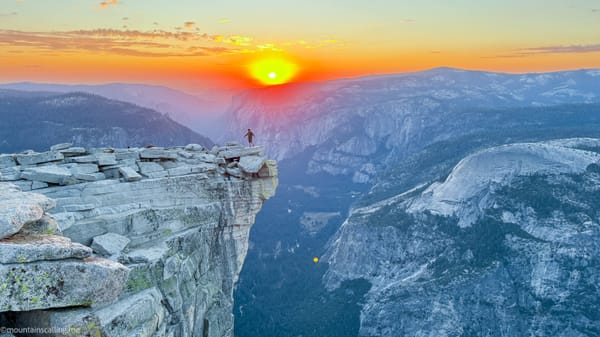
Why Hire a Yosemite Guide?
You can absolutely do Yosemite on your own. Millions of people do it every year.
They drive into the Valley, pull into a crowded parking lot, walk to a viewpoint, take a photo, and drive to the next one. Some go further. They research trails, apply for permits, buy gear, plan meals, study maps, check weather forecasts, and spend weeks making decisions about a place they've never been.
Some of those trips go great. Many of them go fine. A few go sideways in ways that could have been avoided.
But here's the question worth sitting with: is "fine" what you're after?
I'm not going to tell you that you need a guide. Most people don't. What I will tell you is what a guide actually does, what changes when someone else handles the logistics, and how to figure out whether it's worth it for the kind of trip you want.
What a Guide Actually Does
Most people picture a guide as someone who walks in front and points at things. That's maybe 10% of the job. The other 90% is invisible, and it starts long before anyone sets foot on a trail.
Before the Trip
A guided trip doesn't begin at the trailhead. It begins weeks earlier.
Route selection is the first decision, and it's not as simple as picking a trail off a list. Which trailhead makes sense for this group's fitness level? What are conditions like right now, not last month, not what the blog post from 2019 says? Is the creek crossing at mile 6 still passable, or did the snowpack turn it into a river this week? Where is the afternoon shade going to be on day two when we're exposed at 9,000 feet?
Then there's the permit. Yosemite's wilderness permit system is competitive, confusing, and genuinely stressful for people trying to navigate it for the first time. Lottery applications, release windows, trailhead quotas, backup plans. It's a process that rewards experience and punishes hesitation.
If the permit process feels like a headache, I handle all wilderness permits for my guided backpacking trips. → 2026 trip calendar
After that comes the gear review. I do a video call with every client before the trip specifically to go through their pack. This is where I catch the 4-pound "just in case" rain jacket that's going to wreck someone's knees by mile 8. Or the sleeping bag rated to 0°F for a July trip where nighttime lows are 45°F. Or the brand-new boots that haven't been broken in. Getting gear right before the trip prevents problems on the trail, and that conversation is worth more than most people realize.
Meal planning, dietary accommodations, trailhead logistics, group introductions for multi-person trips. All of it handled before we start walking.
During the Trip
This is where the years of experience on these specific trails pay off.
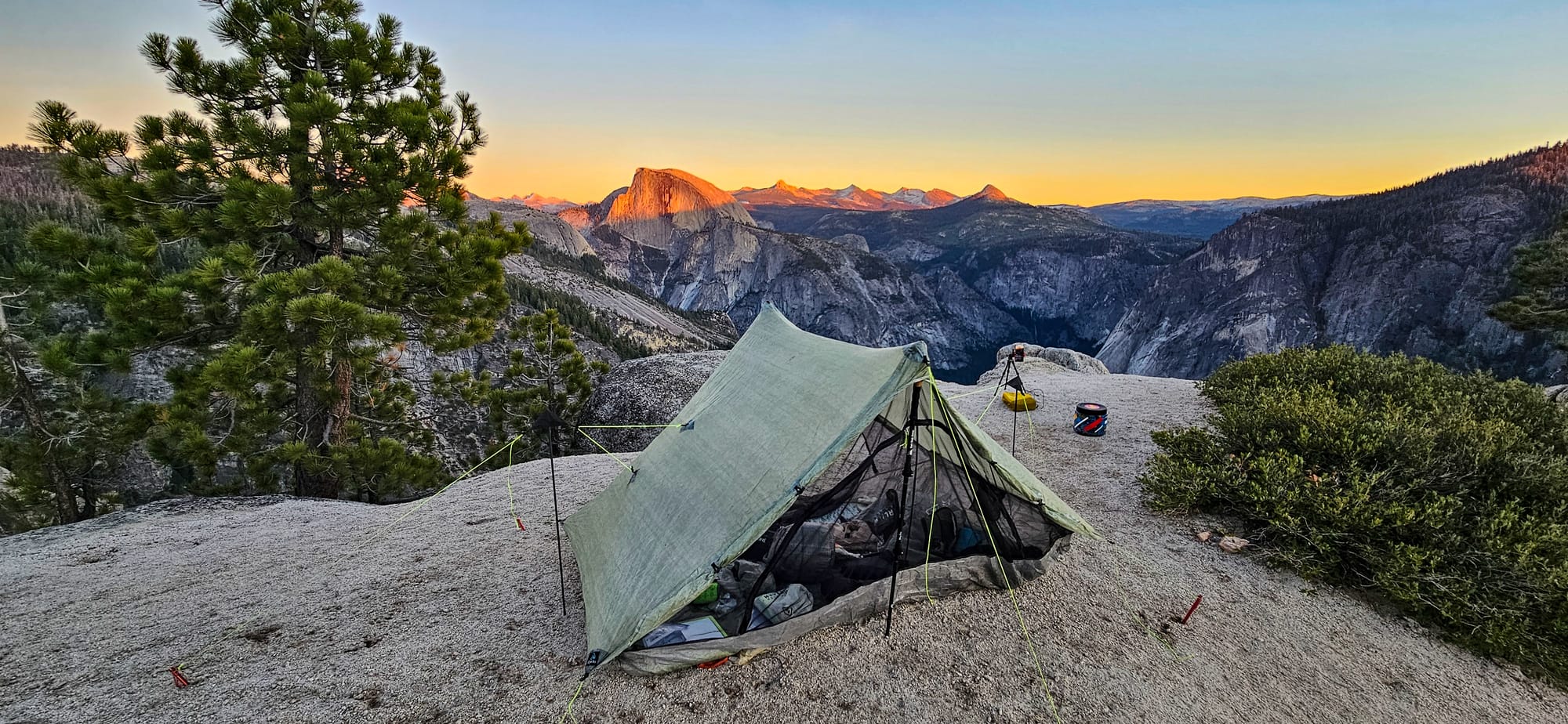
I know which campsites have wind protection and which ones have the view. I know where the reliable water sources are in August when half the creeks have dried up. I know how to read the afternoon sky over the Cathedral Range and decide whether we push to the next camp or stay put.
Pace management matters more than most people think. On a self-guided trip, the strongest hiker sets the pace and everyone else quietly suffers. On a guided trip, the pace is intentional. Nobody bonks at mile 8 because we were moving too fast at mile 3. Nobody misses the sunset at camp because we spent too long at a break spot without realizing how much elevation was left.
The small calls add up. Adjusting the route when trail conditions change. Choosing the right moment to take a break at a viewpoint instead of pushing past it. Knowing when to be quiet and let the place speak for itself.
After a Day on Trail
Camp has a rhythm, and when it runs well, everyone gets to rest.
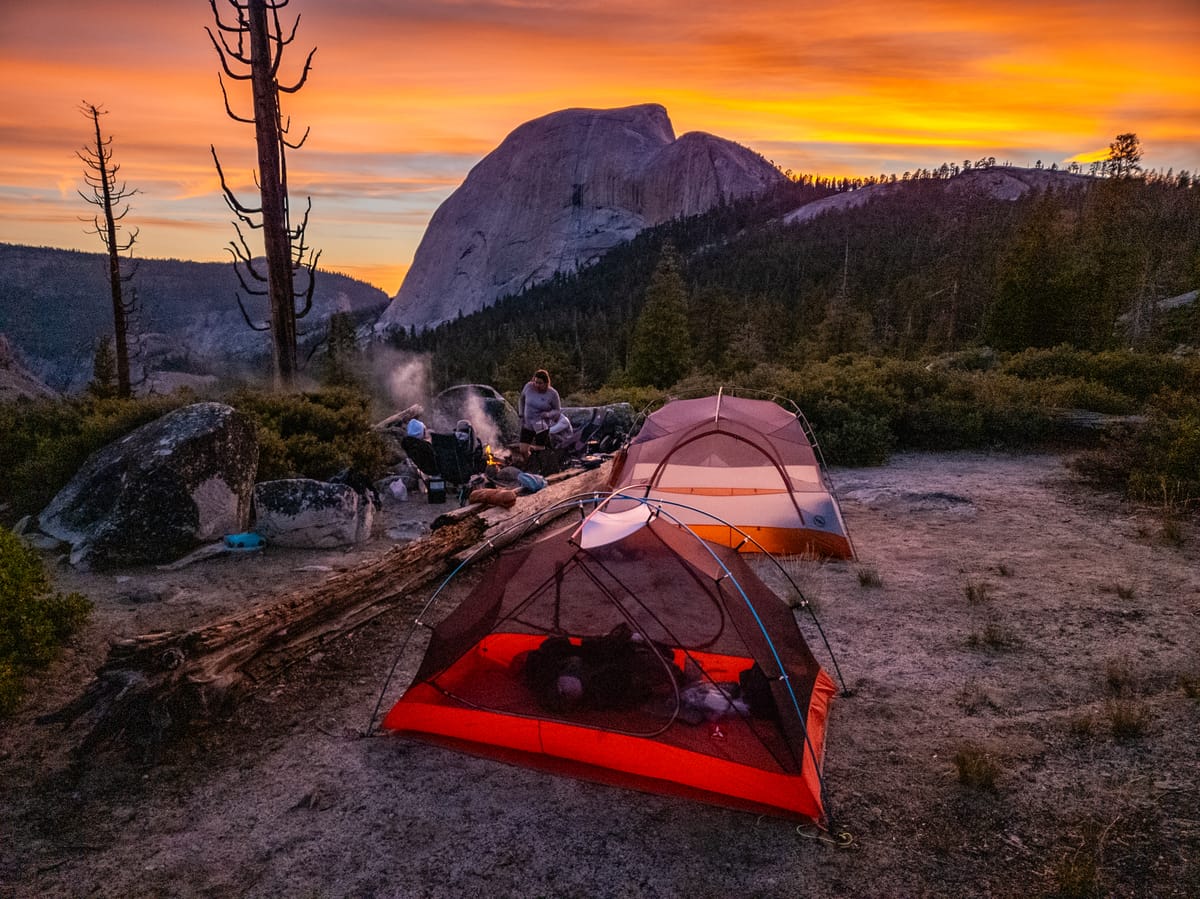
Tents go up. Water gets filtered. The bear canister gets loaded and placed correctly. Dinner is prepped. While clients are sitting on a rock watching alpenglow crawl across the granite, I'm reviewing the next day's plan: target start time, mileage, elevation profile, likely camp options, weather outlook. That briefing happens every evening so nobody wakes up wondering what the day looks like.
That operational flow is the difference between a trip where you relax and a trip where you manage logistics until it's dark and you're too tired to enjoy where you are.
The Part That's Hard to Plan For
Weather changes. Wrong turns at trail junctions. Twisted ankles on talus. A headache at 9,000 feet that might be dehydration or might be the start of altitude sickness.
These aren't emergencies. They're Tuesday in the backcountry. The difference is whether someone in the group knows what to do next.
I carry Wilderness First Aid and CPR certifications. I carry a satellite communication device on every trip. I carry a full first aid and emergency kit. Those are the credentials, and they matter. But credentials aren't the thing that keeps people safe. Judgment is.
Knowing when to slow the pace before someone asks. Recognizing early signs of altitude sickness before they become a real problem. Reading the sky and deciding to descend instead of pushing for the summit. Making the call to adjust the route when conditions don't match the plan. These decisions happen constantly on multi-day trips, and they're the product of years on these specific trails in these specific conditions.
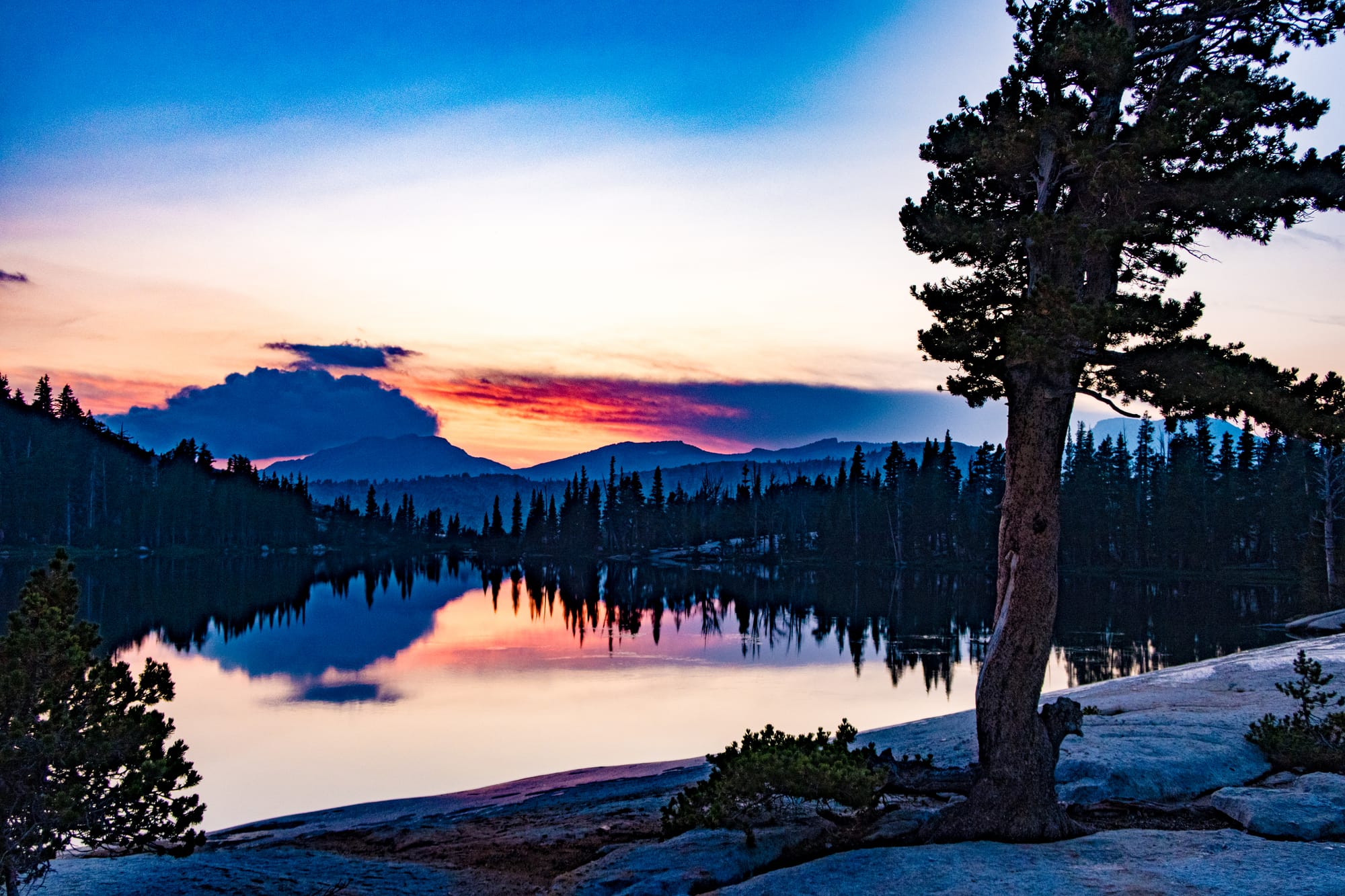
In Yosemite Valley, you have cell service and rangers nearby. The deeper you go into the backcountry, the less either of those things is true. At a high country lake 14 miles from the nearest trailhead, the margin for error shrinks. That's exactly where having a trained, experienced guide matters most.
For the full breakdown of safety protocols, medical training, and emergency procedures, see the FAQ.
What Changes When You Stop Managing and Start Looking
There's a tax you pay on every self-guided wilderness trip. It's not financial. It's mental.
You're checking the map. Watching the time. Worrying about whether the water source at mile 7 is actually flowing. Second-guessing the campsite choice. Wondering if you packed enough fuel. Calculating whether you have enough daylight to make it to the next junction. Running a constant background process of logistics, decisions, and contingencies.
You're managing the trip. And managing a trip is not the same as experiencing a place.
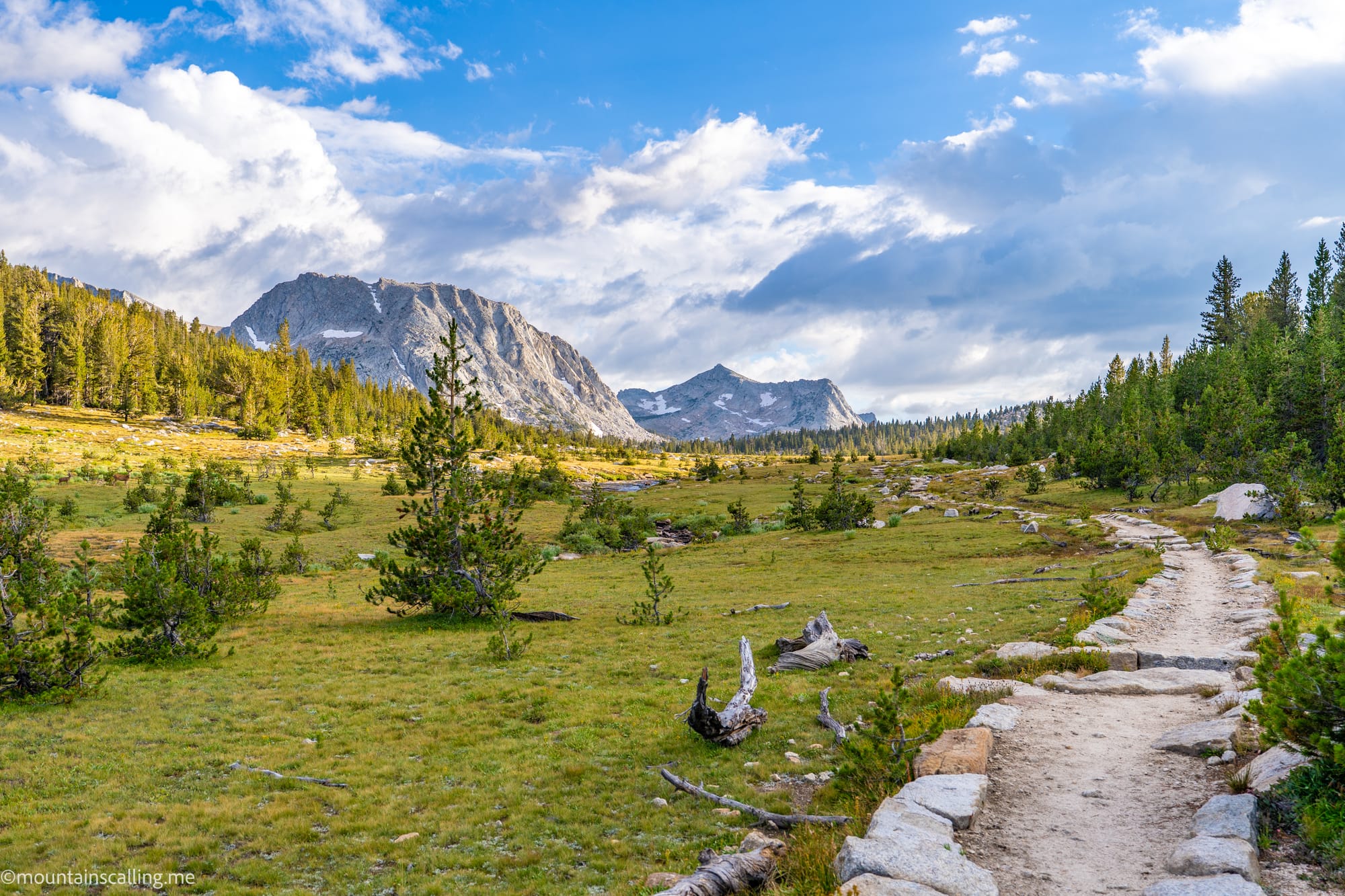
When someone else handles that, something shifts. It's not dramatic. It's quiet. You stop looking at the map and start looking at the landscape. You notice the way light moves across granite in the late afternoon. The sound the wind makes through through the trees.
Those moments don't happen when your brain is running logistics.
This is the part that's hard to explain to someone who hasn't felt it. You can read every trail guide, memorize every junction, nail every permit window, and still spend your entire trip one step ahead of yourself. Anticipating instead of arriving. Solving the next problem instead of standing in the place you came all this way to stand in.
A guide doesn't just handle the logistics. A guide gives you back the trip you were planning to have before the planning took over.
That's the thing people don't expect. They expect convenience. They expect someone who knows the trail. What they get is the space to actually be in Yosemite instead of managing their way through it.
Who This Is For (and Who It Isn't For)
A guided trip makes sense for some people and not others. Being honest about that is more useful than pretending everyone needs a guide.
This is a good fit if you're:
A first-time Yosemite backpacker who wants to do it right, not just survive it. A solo traveler who wants experienced company in the backcountry. Someone who's done the Valley viewpoints and is ready to go deeper into the park. A couple, a family, or a small group who wants a private, paced experience instead of a tour. An experienced hiker who knows other parks but not Yosemite's specific terrain, conditions, and permit systems.
This is probably not for you if you're:
Looking for a budget group tour with 20 strangers and a megaphone. Wanting a scripted, checkbox experience where someone tells you exactly when to be impressed. Not willing to carry a pack and sleep on the ground (for backpacking trips). Expecting luxury amenities in the wilderness.
That's not a judgment. It's just a different kind of trip, and there are companies that offer it. Yosemite Life isn't one of them.
For more on what backpacking trips involve, including fitness expectations, what's included, and the pre-trip process, see the backpacking trips page. For day hikes, see private day hikes.
One Guide. No Tour Bus. No Script.
Yosemite Life is not a tour company. There's no fleet of guides. No rotating staff. No dispatcher assigning whoever's available to your trip.
I'm the guide. Every trip. That's the model.
When you book with Yosemite Life, you know exactly who's showing up at the trailhead. You've already talked with me on a video call. We've reviewed your gear, discussed the route, and covered what to expect. By the time we start walking, we're not strangers.
Groups are small by design. Backpacking trips are capped at five clients. Day hikes are always private, your group only, no strangers added. That size keeps the experience personal and the impact on the landscape low.
Yosemite Life holds an active Commercial Use Authorization issued by the National Park Service. Fully insured. Wilderness First Aid and CPR certified. Leave No Trace trained. All certifications on file with the NPS Commercial Use Office. Those are table stakes for operating legally in the park, and every legitimate guide service should have them.
The part that's harder to replicate is knowing these specific trails across seasons and conditions. Not Yosemite in general. The campsites. The water sources. The weather patterns at specific elevations in specific months. The spots most people walk right past because they don't know to stop. That knowledge comes from years of being here, and it shapes every trip I run.
Want to see what's available? → 2026 backpacking trips · Private day hikes · Talk to Eric first
I'm Eric, owner and guide at Yosemite Life and a professionally permitted Yosemite guide. I offer guided backpacking trips and private day hikes for people who want to experience Yosemite beyond the viewpoints. If you're weighing whether a guide is worth it, let's talk, 15 minutes, no commitment, and I'll tell you honestly whether a guided trip makes sense for what you're looking for.