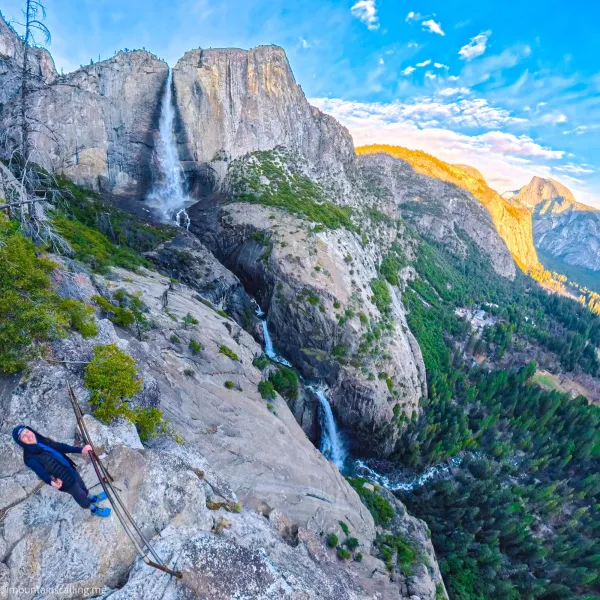
Mariposa Grove Trail Guide: Yosemite's Giant Sequoias
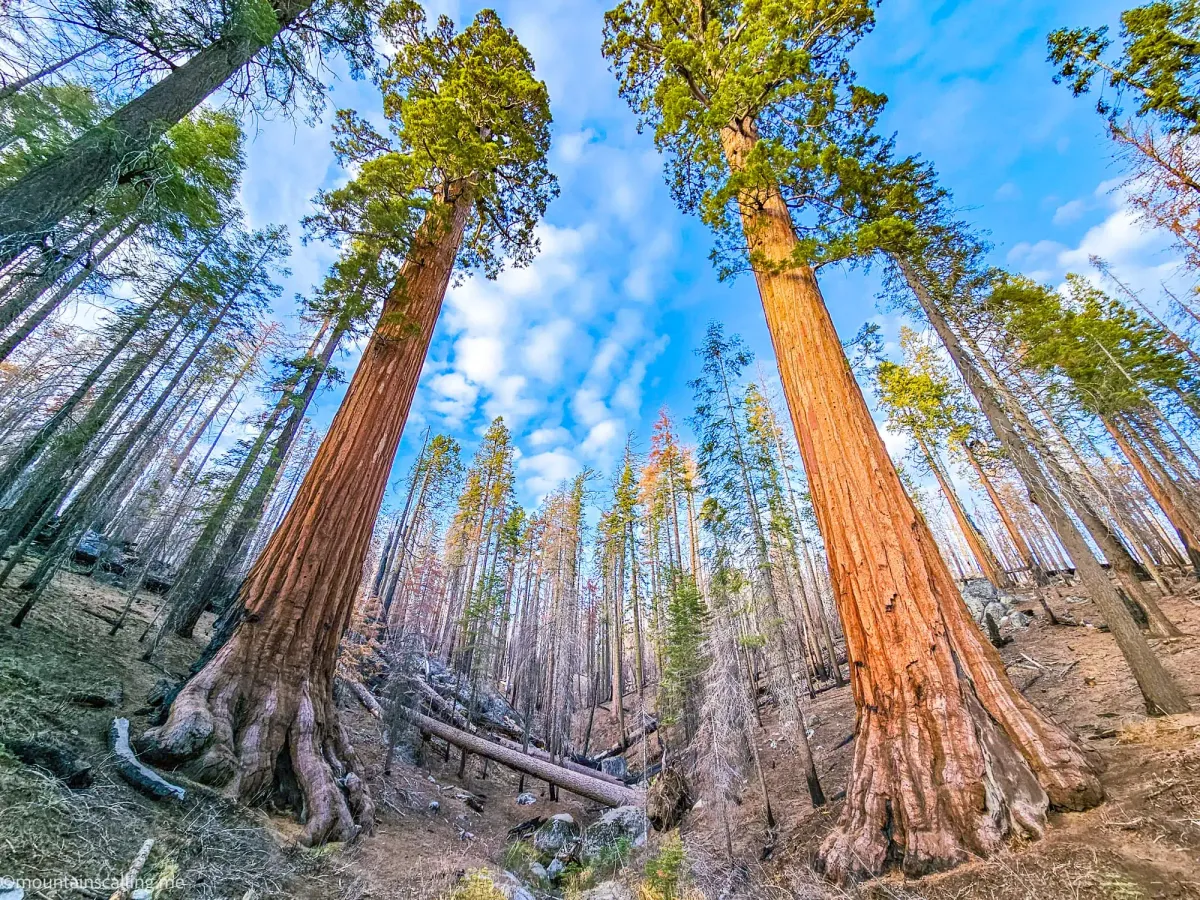
Most people give Mariposa Grove about 45 minutes. They ride the shuttle up, walk to the Grizzly Giant, take a photo next to the California Tunnel Tree, and ride the shuttle back down. And honestly? I get it. It's an hour from Yosemite Valley, the parking lot is chaotic by mid-morning, and the shuttle line can feel like a theme park queue.
But those people are seeing maybe 10% of this place.
Mariposa Grove is home to over 500 mature giant sequoias, the largest grove in Yosemite and one of the most significant stands of these trees anywhere on Earth. It has a lower grove that draws the crowds and an upper grove that most visitors never reach. The upper grove is quieter, more open, more cathedral-like. It's the part that stays with you.
This guide covers everything: four trail options from a 30-minute boardwalk to a full-day 7-mile loop, shuttle logistics, seasonal access, and the trees and features worth knowing by name before you go. Whether you have an hour or half a day, this is how to do Mariposa Grove right.
Trail Quick Reference
| Route | Distance | Elevation Gain | Time | Difficulty | Highlights |
|---|---|---|---|---|---|
| Big Trees Loop | 0.3 mi | Flat | 30-45 min | Easy | Fallen Monarch, interpretive panels |
| Grizzly Giant Loop | 2 mi | 300 ft | 1.5-2 hrs | Moderate | Grizzly Giant, California Tunnel Tree, Bachelor & Three Graces |
| Guardians Loop | 6.5 mi | 1,200 ft | 4-6 hrs | Strenuous | All lower grove highlights + upper grove, Wawona Tunnel Tree, Telescope Tree, Mariposa Grove Cabin |
| Full Mariposa Grove Trail | ~7 mi | 1,200 ft | 4-6 hrs | Strenuous | Everything above + Wawona Point overlook |
Trailhead: Mariposa Grove Arrival Area (shuttle or Washburn Trail from Welcome Plaza) Trailhead elevation: 5,600 ft Parking: Mariposa Grove Welcome Plaza near South Entrance (~300 spaces) Permit: Not required Best months: May through October Water: Welcome Plaza (year-round), Arrival Area (summer only). No water anywhere in the grove. Restrooms: Welcome Plaza, Arrival Area, near Grizzly Giant (vault), near Mariposa Grove Cabin (flush in summer, vault in winter)
Getting to Mariposa Grove
This is the part that catches people off guard. Most visitors cannot drive to the grove.
The Mariposa Grove Welcome Plaza is located just inside Yosemite's South Entrance off Highway 41. This is where you park. The grove itself is two miles up the road from here, and that road is closed to most private vehicles.
The exception: Vehicles displaying a disability placard or disability license plate can drive the Mariposa Grove Road during shuttle operating hours and park at designated accessible spaces at either the Mariposa Grove Arrival Area or the Grizzly Giant accessible parking area. Spaces are very limited at both locations. From the Grizzly Giant accessible parking, a wheelchair-accessible trail section (about 0.13 miles) leads to the Grizzly Giant and California Tunnel Tree. The Big Trees Loop at the Arrival Area is also wheelchair accessible. When the Mariposa Grove Road is closed for winter (typically late November through at least mid-April), the road is closed to all vehicles, including those with disability placards.
For everyone else, during shuttle season (roughly mid-April through late November, depending on conditions), a free shuttle runs between the Welcome Plaza and the Mariposa Grove Arrival Area every 10 to 20 minutes. The ride takes about five minutes. No reservation needed. Just show up, wait for the bus, and ride up.
The Welcome Plaza has about 300 parking spaces, which sounds like a lot until you realize this is one of the most visited spots in the park. On summer weekends, the lot can fill by 10 AM. Arrive early. If you're coming from Yosemite Valley, it's about a one-hour drive south on Wawona Road.
Shuttle hours vary by season. In peak summer, the shuttle typically runs 8 AM to 7 PM (last bus leaves the grove at 8 PM). In fall, hours shorten. The shuttle does not run from approximately December through mid-April. Check the NPS Mariposa Grove page for current schedules before you go, because dates shift year to year based on weather and road conditions.
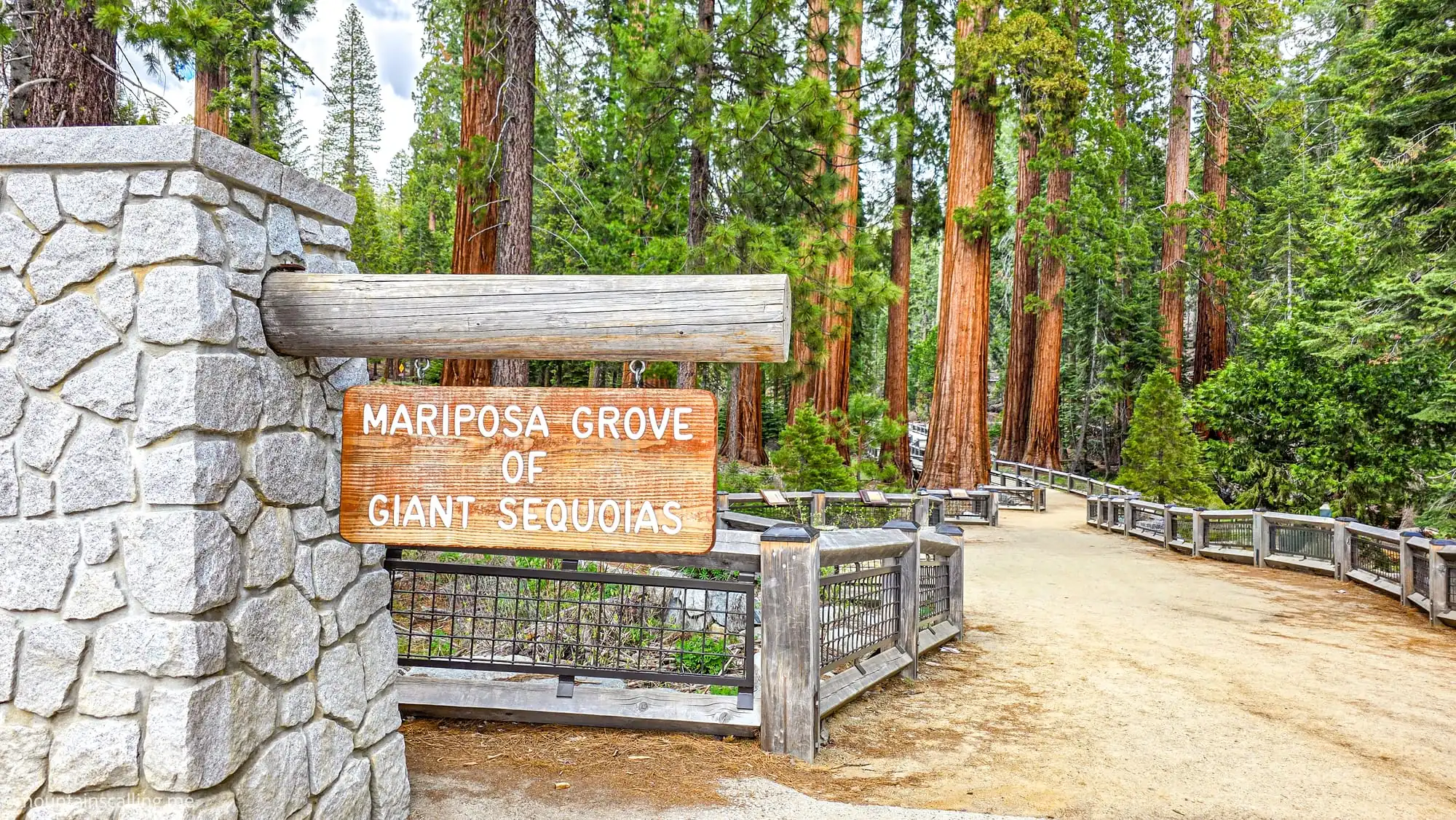
The Washburn Trail: Walking In
When the shuttle isn't running, or when you want to beat the crowds by arriving before the first bus, the Washburn Trail is your way in.
The trail starts at the far end of the Welcome Plaza parking lot and climbs approximately 2 miles with about 500 feet of elevation gain to the Mariposa Grove Arrival Area. It's a wide, well-maintained singletrack through mixed conifer forest. Not spectacular scenery on its own, but pleasant, shaded, and quiet. Budget about 45 minutes to an hour going up, less coming down.
You'll pass through the burn scar from the 2022 Washburn Fire along the way. The fire burned over 4,800 acres near the grove, but here's the remarkable part: not a single mature sequoia was lost. The fire-adapted bark that has protected these trees for millennia did its job, helped by the incredible work of NPS fire crews.
You can also walk the Mariposa Grove Road itself instead of the Washburn Trail. Both routes are about the same distance and gain. The road is wider and more gradual. The trail is more interesting.
A few things to know about walking in:
When the shuttle isn't running (roughly late November through mid-April), the Washburn Trail and the Mariposa Grove Road are both open to foot traffic. Either way, you're adding about 4 miles round trip to whatever you hike within the grove. Factor that into your planning.
In winter, both the trail and the road can be snowy and icy. Snowshoes or micro-spikes are useful on the Washburn Trail. Cross-country skiers tend to prefer the road for its width and more gradual grade. I've hiked up the Washburn Trail in daylight and come down the road after dark, when the wider, more gradual surface is easier to navigate with a headlamp.
There's a picnic area with a vault toilet about one mile up the Washburn Trail, roughly the halfway point.
Pro tip: If you're visiting during shuttle season but want the grove to yourself, hike the Washburn Trail before the first shuttle runs. You'll arrive at the Arrival Area with almost no one else around. The difference between Mariposa Grove at 7:30 AM and noon is dramatic.
Route 1: Big Trees Loop (0.3 miles, flat, 30-45 minutes)
The shortest option. A flat, paved boardwalk loop that begins and ends at the Arrival Area. Wheelchair accessible.
You'll see the Fallen Monarch, a massive sequoia that toppled roughly 300 years ago and remains remarkably intact. The trunk is so large that in 1899, U.S. Cavalry officers posed on horseback on top of it. There are interpretive panels explaining sequoia ecology, fire cycles, and growth patterns.
This loop gives you a taste of the grove. You'll walk among sequoias and get a sense of the forest. But this is not the Mariposa Grove experience. It's the appetizer. If you can go further, go further.
Good for: Families with very young children, visitors with mobility limitations, anyone with only 30 minutes to spare on the way into or out of the park through the South Entrance.
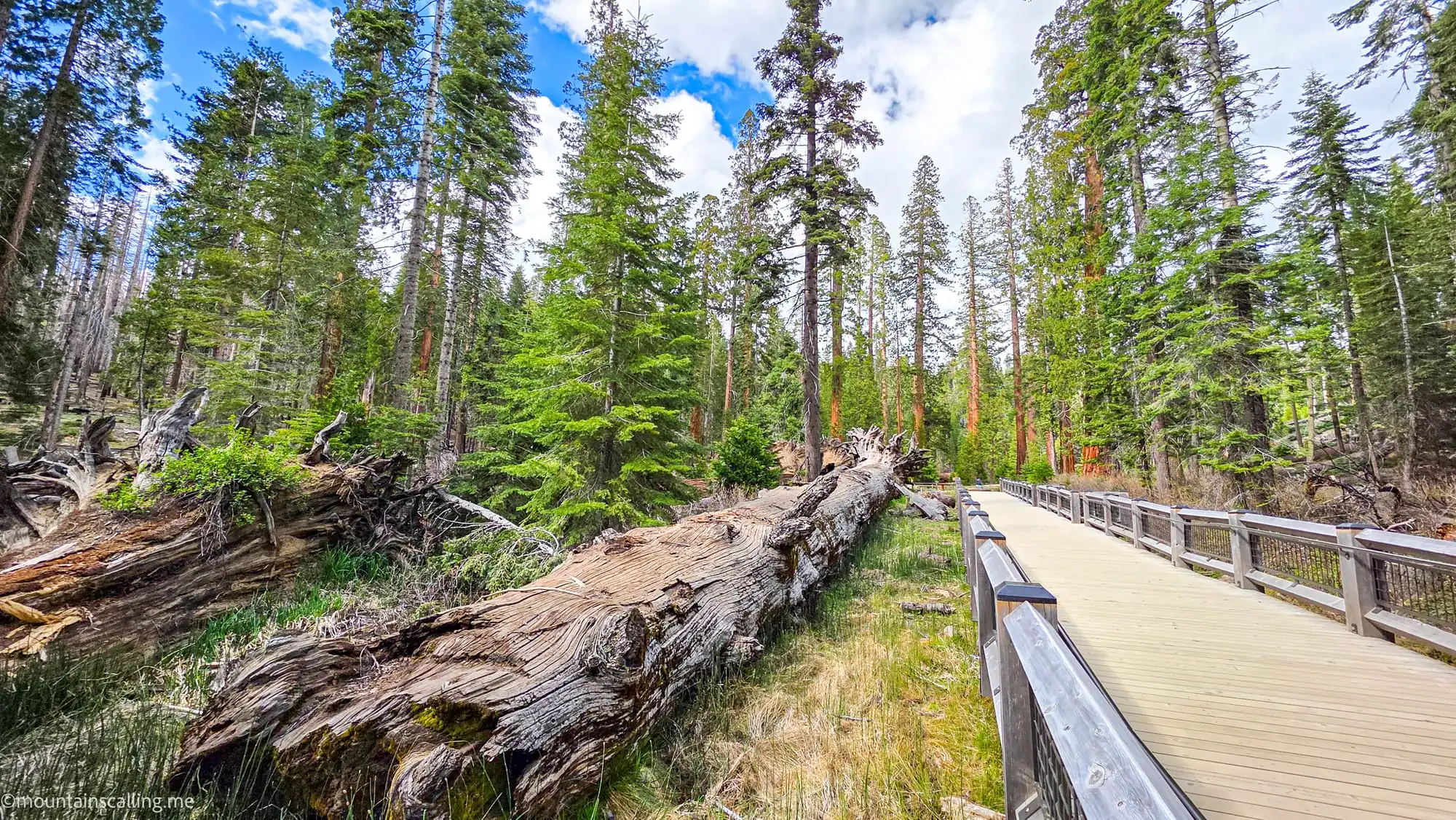
Route 2: Grizzly Giant Loop (2 miles, 300 ft gain, 1.5-2 hours)
This is the essential Mariposa Grove hike. If you do nothing else, do this.
The loop starts at the Arrival Area, follows the Mariposa Grove Trail uphill through the lower grove, and returns via a slightly different route along the grove's western edge. Along the way you'll see the trees that made this grove famous.
The Bachelor and Three Graces
About half a mile in, you'll reach this grouping of four sequoias growing so close together that their root systems are intertwined. If one falls, it likely takes the others with it. They've been standing like this for centuries. The name is a bit old-fashioned, but the trees themselves are striking, each one massive on its own, impossibly close together.
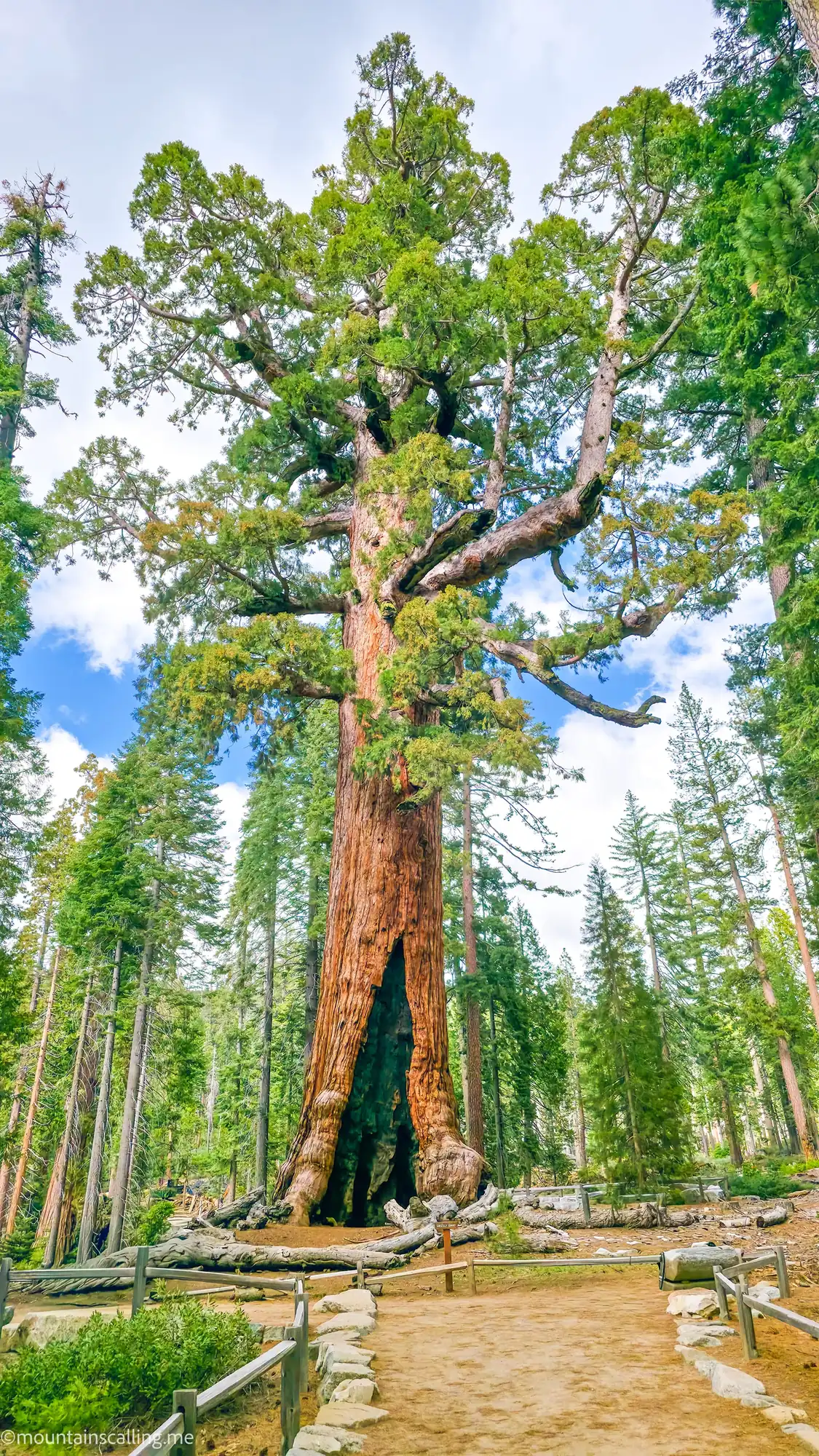
The Grizzly Giant
The star of Mariposa Grove. The oldest tree in the grove, estimated at roughly 3,000 years old. It stands 209 feet tall with a base diameter of nearly 30 feet and a circumference of over 92 feet at ground level. The numbers are impressive on paper. In person, they don't prepare you for the reality.
What gets me every time is the scale that reveals itself slowly. You see the trunk from a distance and think, okay, that's a big tree. Then you get closer and the proportions shift. The bark texture becomes visible. The fire scars at the base come into focus, some of them large enough to stand inside. And then you look up and notice a single branch about a hundred feet off the ground that's over 6 feet in diameter. That one branch is larger than most non-sequoia trees in the grove. Just the branch.
The Grizzly Giant leans about 5 degrees to the south. It looks precarious. In 1904, someone proposed installing support cables. They were never installed, and the tree hasn't needed them. Sequoia root systems don't plunge deep. They spread wide, interlocking with neighboring trees for stability.
California Tunnel Tree
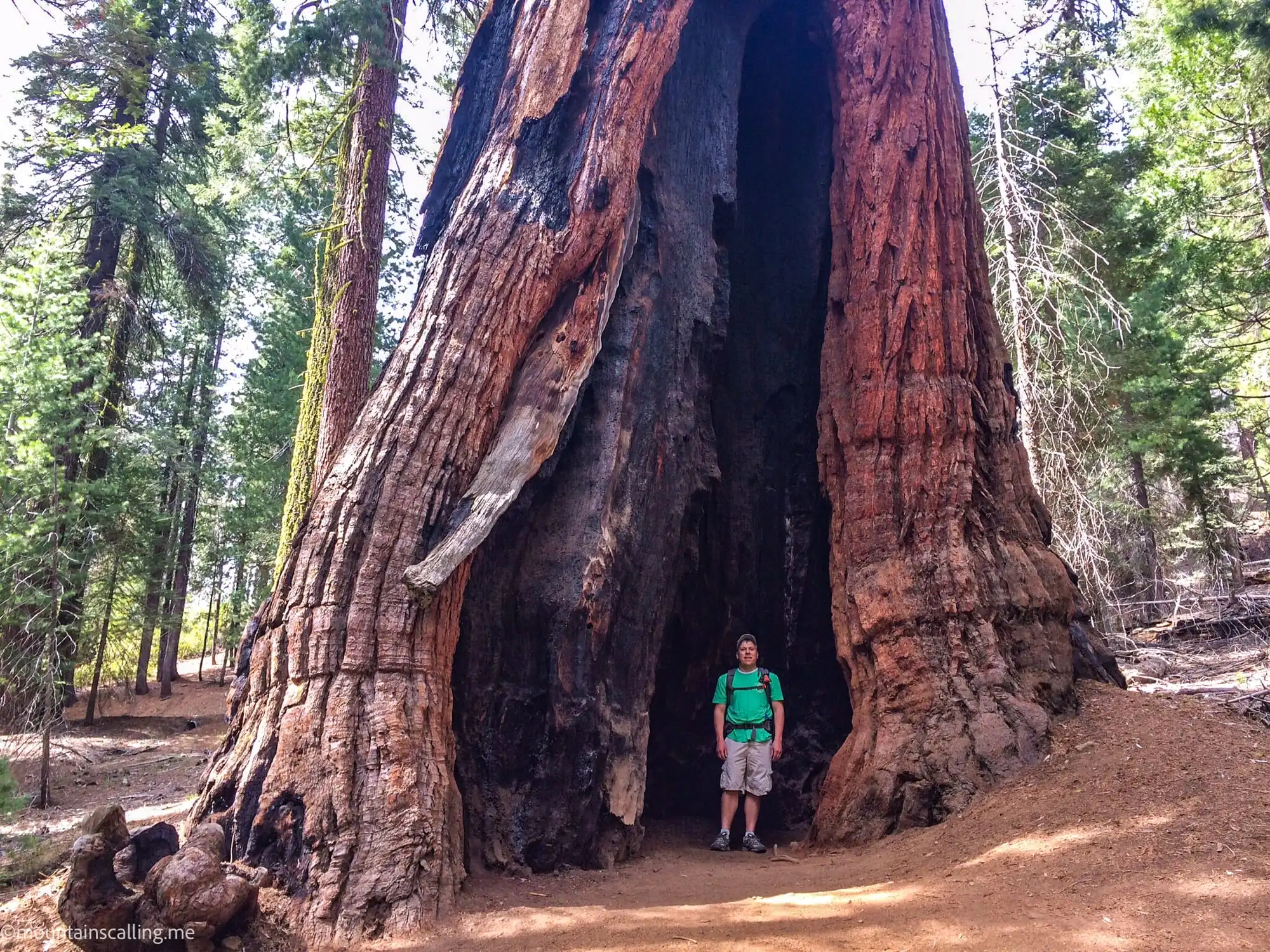
Just past the Grizzly Giant, you'll reach the California Tunnel Tree. In 1895, a tunnel was carved through the base of this living sequoia to allow horse-drawn stagecoaches to pass through. It was a marketing scheme to attract tourists to the grove. The tree is still alive, still growing, and you can still walk through the tunnel today. It's one of the most photographed spots in the park, and for good reason. Standing inside a living tree that was already ancient when the tunnel was carved is a strange and grounding experience.
This is where most visitors turn around. And I understand the pull. You've seen the Grizzly Giant, you've walked through a tunnel tree, the shuttle is waiting. But everything beyond this point is better.
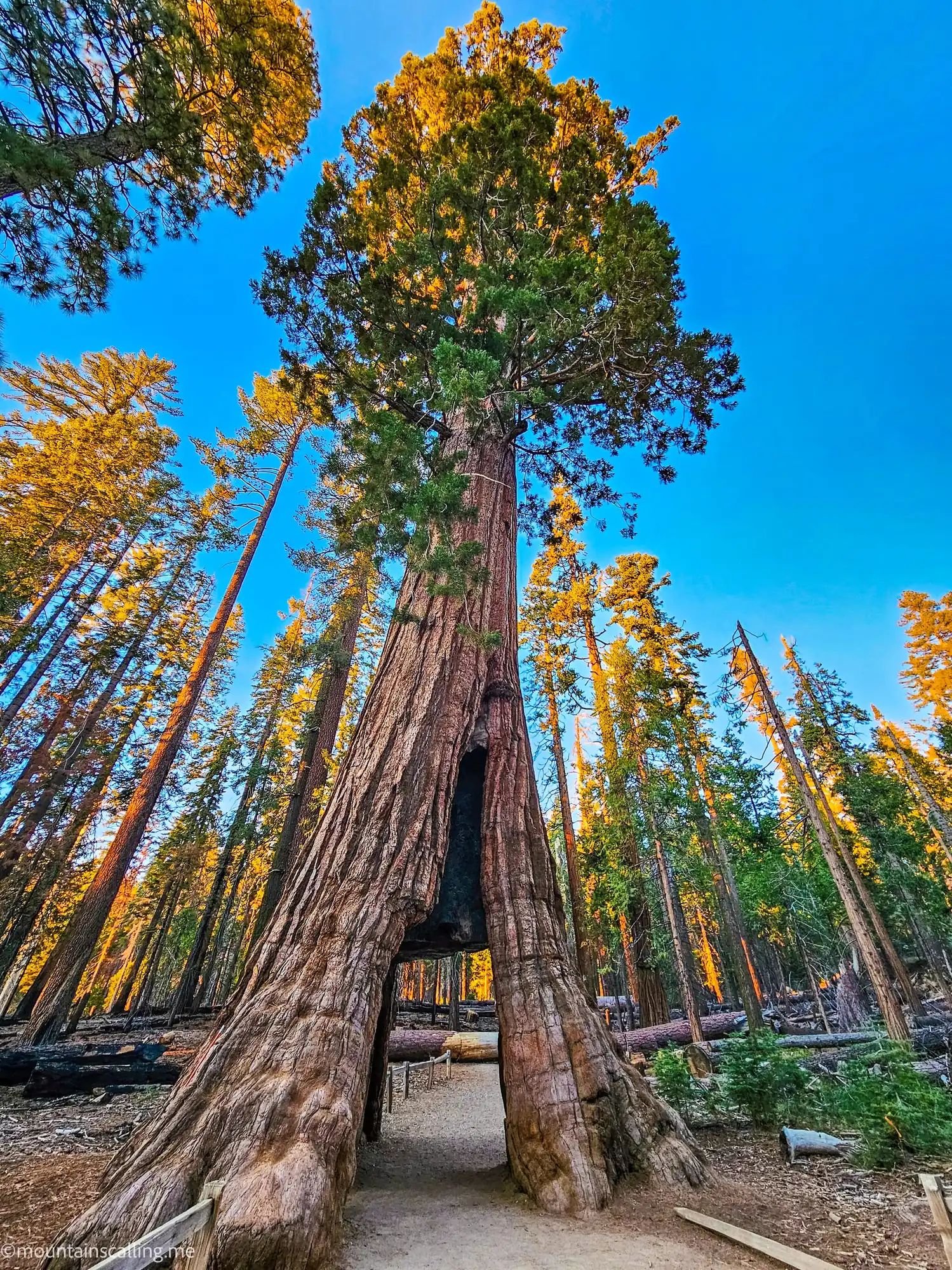
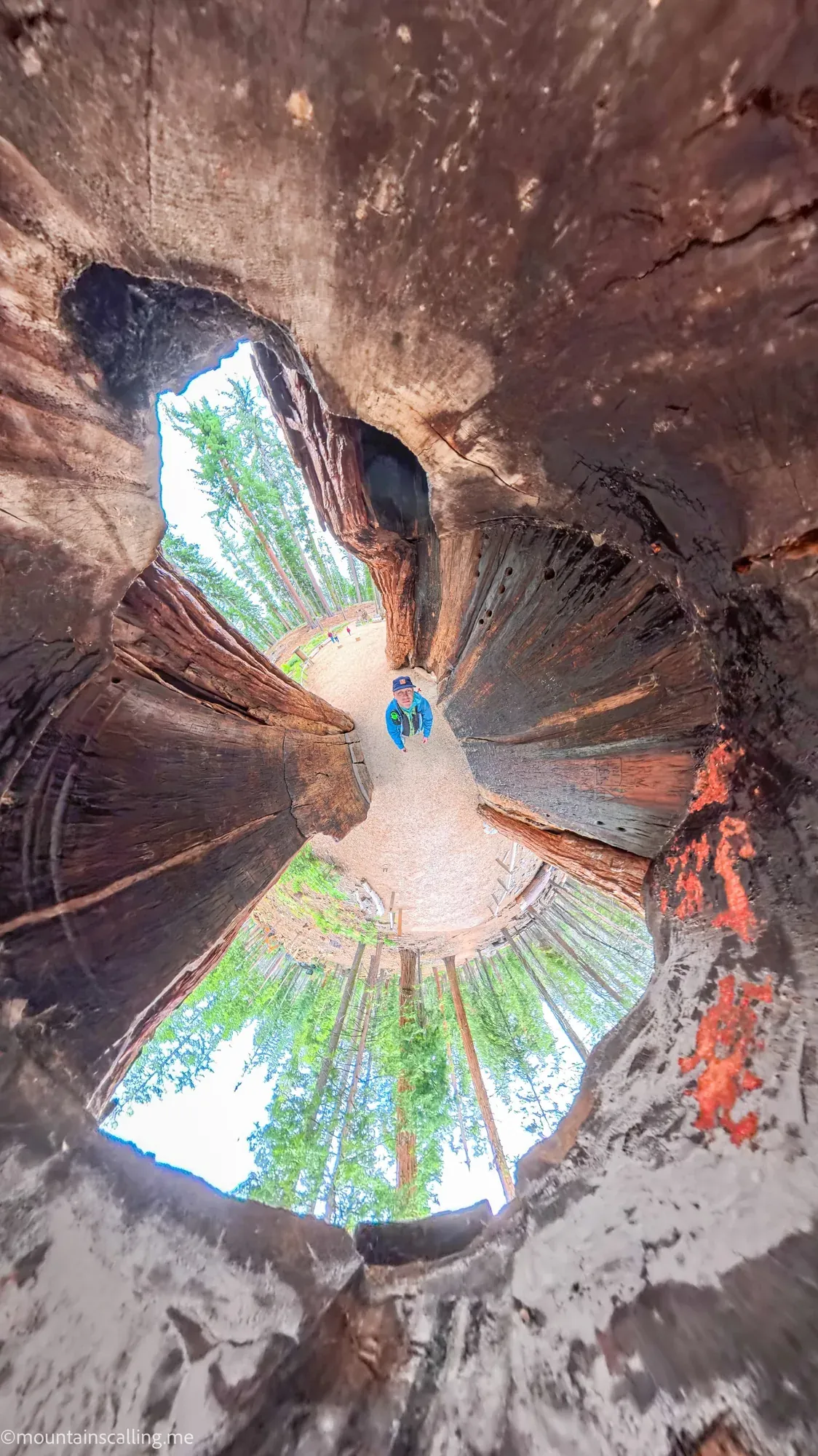
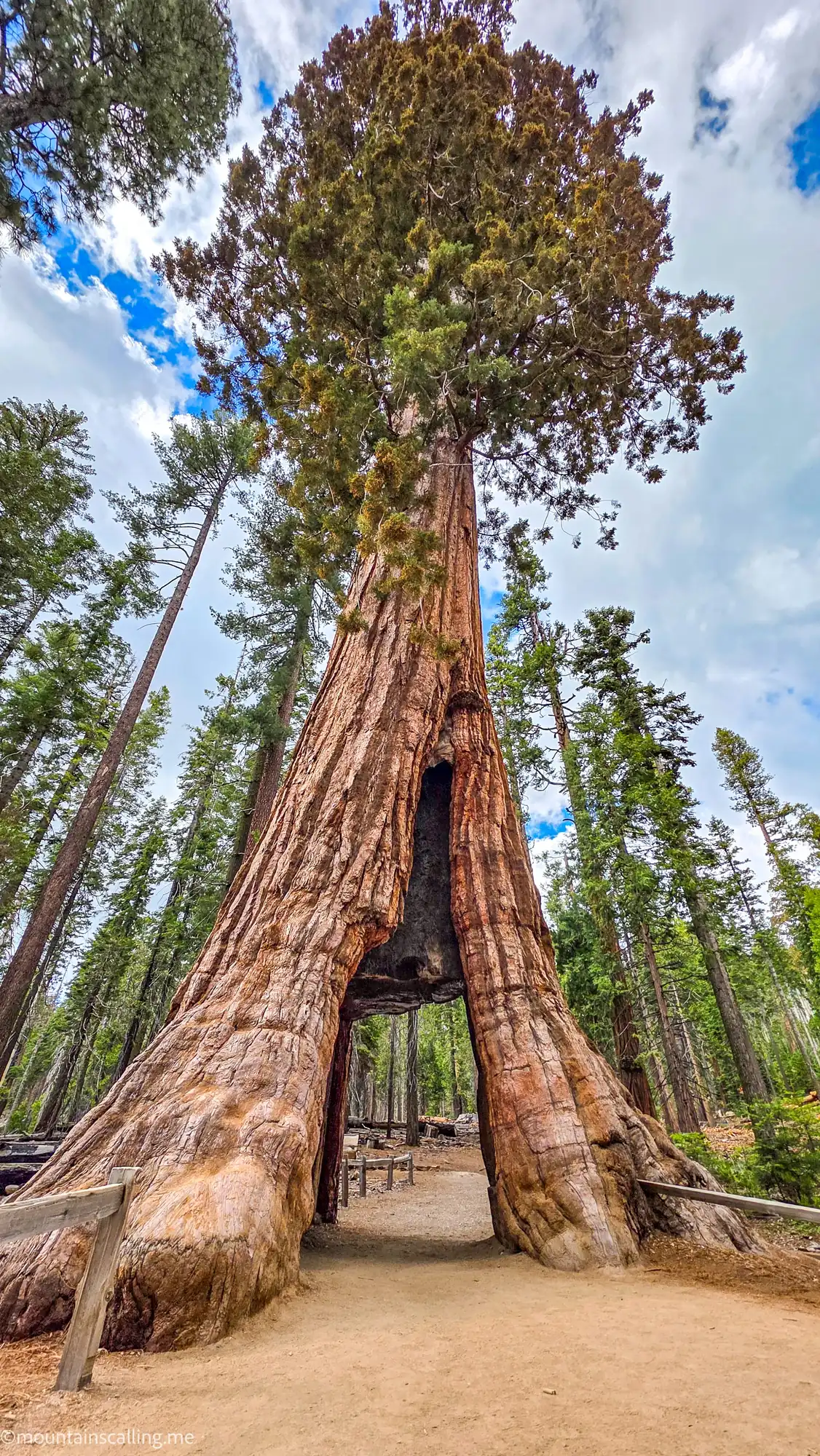
Walking through the tunnel carved in a giant sequoia gives you the full scale of these ancient trees. The view from inside shows just how thick the bark and trunk really are
The Lower Grove and the Upper Grove
Mariposa Grove is split into two distinct areas separated by about half a mile of ordinary mixed-conifer forest. The lower grove contains the Grizzly Giant, the California Tunnel Tree, and the majority of the crowds. The upper grove sits higher on the slope, around 6,400 to 6,800 feet, and holds its own collection of remarkable sequoias along with the historic Mariposa Grove Cabin.
The difference in atmosphere is immediate. The lower grove feels like a destination. People milling around, phones out, guided tours passing through. The upper grove feels like a forest. Fewer people, more space between the trees, longer sight lines through the canopy. Many visitors describe it as cathedral-like, and that's not wrong. The light filters differently up there. The quiet is noticeable.
If you came to Mariposa Grove to feel something, not just to check a box, keep going past the California Tunnel Tree.
Route 3: Guardians Loop (6.5 miles, 1,200 ft gain, 4-6 hours) ★ My Preferred Route
This is the route that takes you through the entire grove, lower and upper, and brings you back via a loop so you see different features on the way down.
From the Arrival Area, you'll follow the same path as the Grizzly Giant Loop through the lower grove. Past the California Tunnel Tree, the trail climbs through that transition zone of ordinary forest and then enters the upper grove. The Guardians Loop adds a 1.5-mile loop through the upper grove before returning.
What You'll See in the Upper Grove
The Faithful Couple. Two sequoias that grew so close together their trunks fused at the base. They look like a single tree from one angle and two distinct trees from another. About half a mile past the Grizzly Giant.
The Clothespin Tree. Fire hollowed out the base of this sequoia, leaving two leg-like buttresses that give it its name. It's still alive, still growing from the top, with a massive gap burned through the middle. It's one of those trees that makes you reconsider what "alive" means.
The Telescope Tree. Another fire-hollowed sequoia, this one you can look straight up through from the inside and see sky through the top of the trunk. It's a strange, vertical tunnel of charred wood framing a circle of blue. Take the time to do this. It takes two seconds and people walk right past.
The Fallen Wawona Tunnel Tree. This is the famous one. In 1881, a tunnel was carved through the Wawona Tree large enough for stagecoaches and later automobiles to drive through. It became one of the most iconic images in national park history. The tree fell under the weight of heavy snow in the winter of 1969. You can still see the massive trunk lying where it fell, the tunnel still visible in the broken remains.
The Galen Clark Tree. Named for the man who first brought non-native attention to this grove in 1857. Clark became the first Guardian of Yosemite and built a cabin in the upper grove that served as a base for guiding visitors through the sequoias. His connection to this place is foundational, and this tree keeps his name in the landscape. This tree was burned during the 2022 fire.
The Mariposa Grove Cabin. The cabin that sits near where Galen Clark built his original shelter occupies one of the most peaceful spots in the grove. Surrounded by towering sequoias, it provides a sense of scale that photographs struggle to capture. Vault restrooms are available here in winter, flush restrooms in summer.
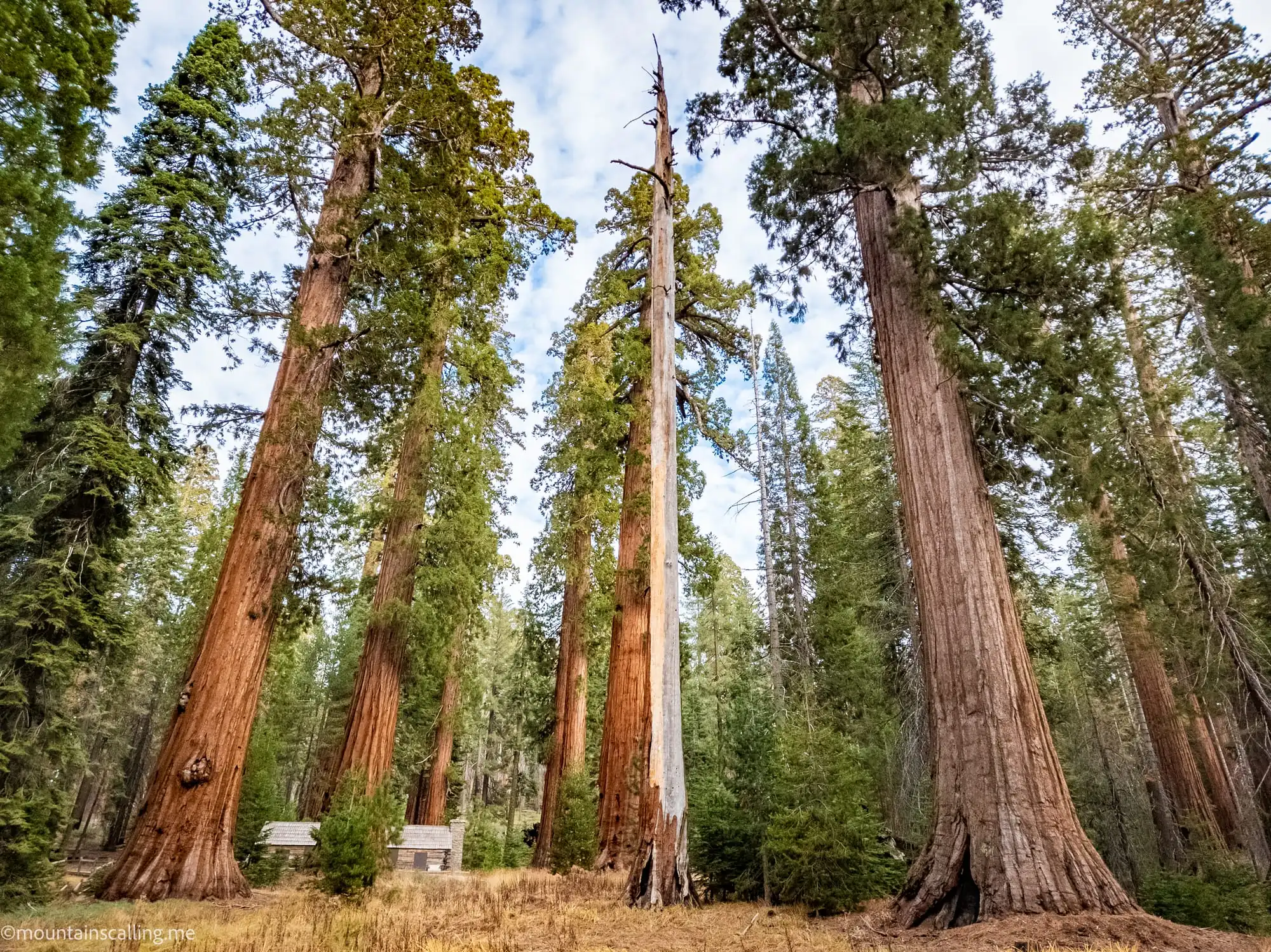
The Guardians Loop is the sweet spot for most hikers who want the full Mariposa Grove experience. You'll see the best of both groves, spend time in the quieter upper sections, and return on different trails than you went up. Plan for 4 to 6 hours depending on your pace and how long you linger. Bring lunch. This is a half-day commitment, and it's worth it.
Mariposa Grove is one of the day hikes I guide through Yosemite Life. If you want someone who knows every tree and every trail junction in this grove, that's what guided backpacking trips and private day hikes are for.
Route 4: Full Mariposa Grove Trail to Wawona Point (~7 miles, 1,200 ft gain, 4-6 hours)
This is the "see everything" route. It covers all the lower and upper grove highlights from Route 3, plus extends to Wawona Point at approximately 6,800 feet elevation.
The spur trail to Wawona Point branches off near the upper grove and adds roughly a quarter mile each way. The payoff is a panoramic overlook facing west and north with views back toward Wawona and the surrounding Sierra Nevada foothills. On a clear day, the sight lines stretch for miles. It's a quiet spot. Most people never make it here.
Along this extended route, you'll also pass through sections of the grove that hold some of the largest trees by volume. The Washington Tree is the largest sequoia in Mariposa Grove by volume at roughly 35,950 cubic feet. The Columbia Tree is the tallest in the grove at approximately 286 feet. The General Sheridan tree stands near the Mariposa Grove Cabin. None of these get the fame of the Grizzly Giant, but each one would be the star attraction in any other forest on Earth.
You can combine sections of the Guardians Loop and the Mariposa Grove Trail to create a route that avoids retracing your steps. Study the trail map at the Arrival Area before you start, or download the NPS trail map in advance. The trail junctions are well-signed.
This is the route for someone who wants to know Mariposa Grove, not just visit it. Budget a full day, bring food and plenty of water, and take your time.

What You're Walking Through
Mariposa Grove is not just a collection of big trees. It's the birthplace of the American conservation idea.
In 1857, Galen Clark and Milton Mann became the first non-native people to document the grove, finding over 500 mature giant sequoias along the divide between the South Fork Merced River and Big Creek. Clark spent the rest of his life as the grove's most passionate advocate.
On June 30, 1864, in the middle of the Civil War, President Abraham Lincoln signed the Yosemite Grant, the first time the United States government set aside land specifically for public preservation. The legislation protected two places: Yosemite Valley and "the Mariposa Big Tree Grove." It was the prototype for the entire national park system.
The grove was added to Yosemite National Park in 1906. For decades, cars drove through the grove on paved roads, and a tram tour shuttled visitors past the trees. In 2015, the NPS closed Mariposa Grove for a major restoration that removed roads, rerouted trails away from root systems, restored natural water flow, and rebuilt the entire visitor access system. The grove reopened in June 2018. The trails you walk today are the result of that work.
In 2022, the Washburn Fire burned over 4,800 acres near the grove. Fire crews worked around the clock to protect the sequoias, using brush clearing, sprinkler systems, and fire retardant foam. Every mature sequoia in the grove survived. These trees have been burning and recovering for thousands of years, but having a dedicated team protecting them in a modern wildfire made the difference.
When you walk through Mariposa Grove, you're walking through the physical place that helped convince a nation that some landscapes are worth protecting forever. That context changes the experience.
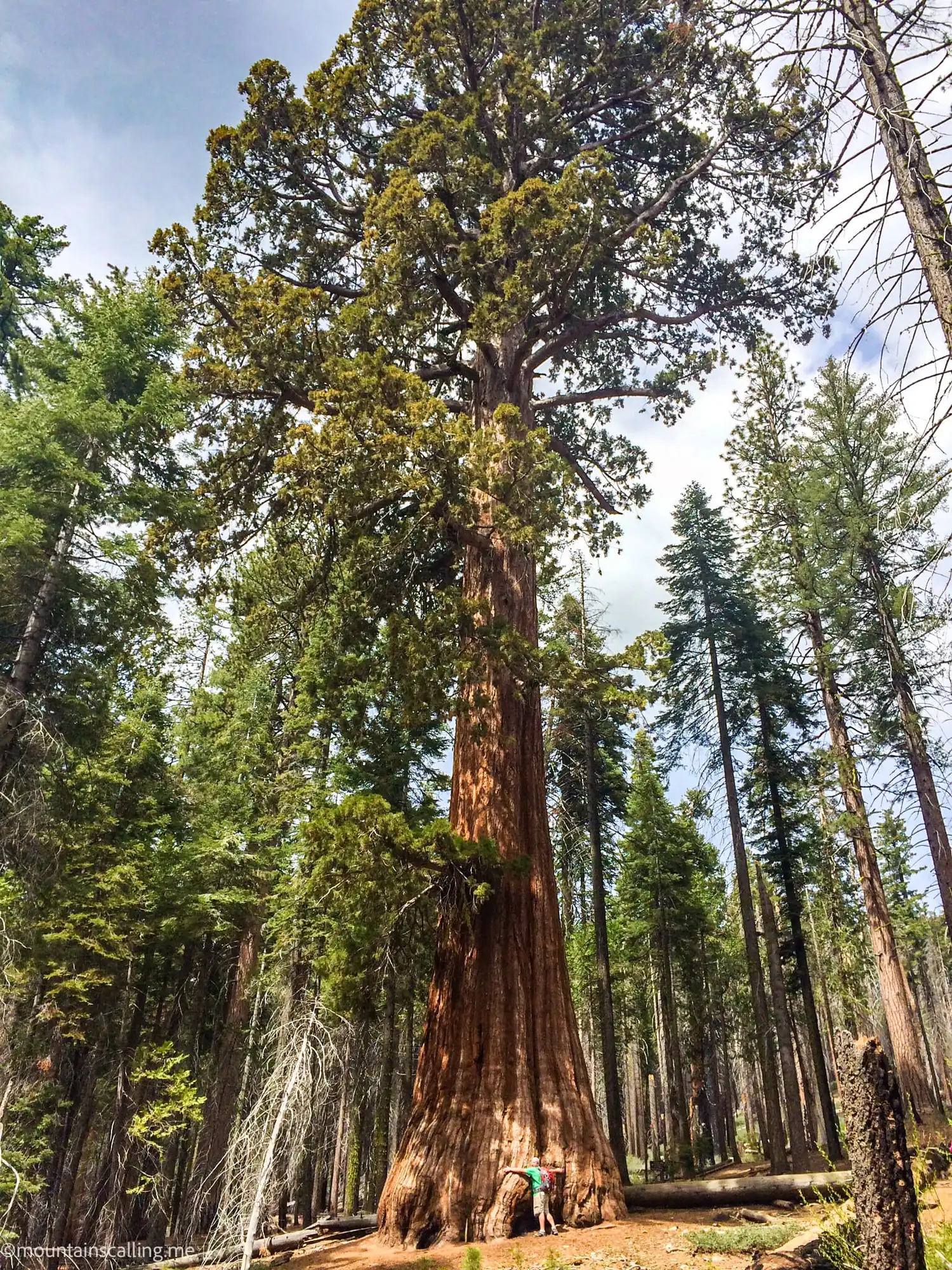
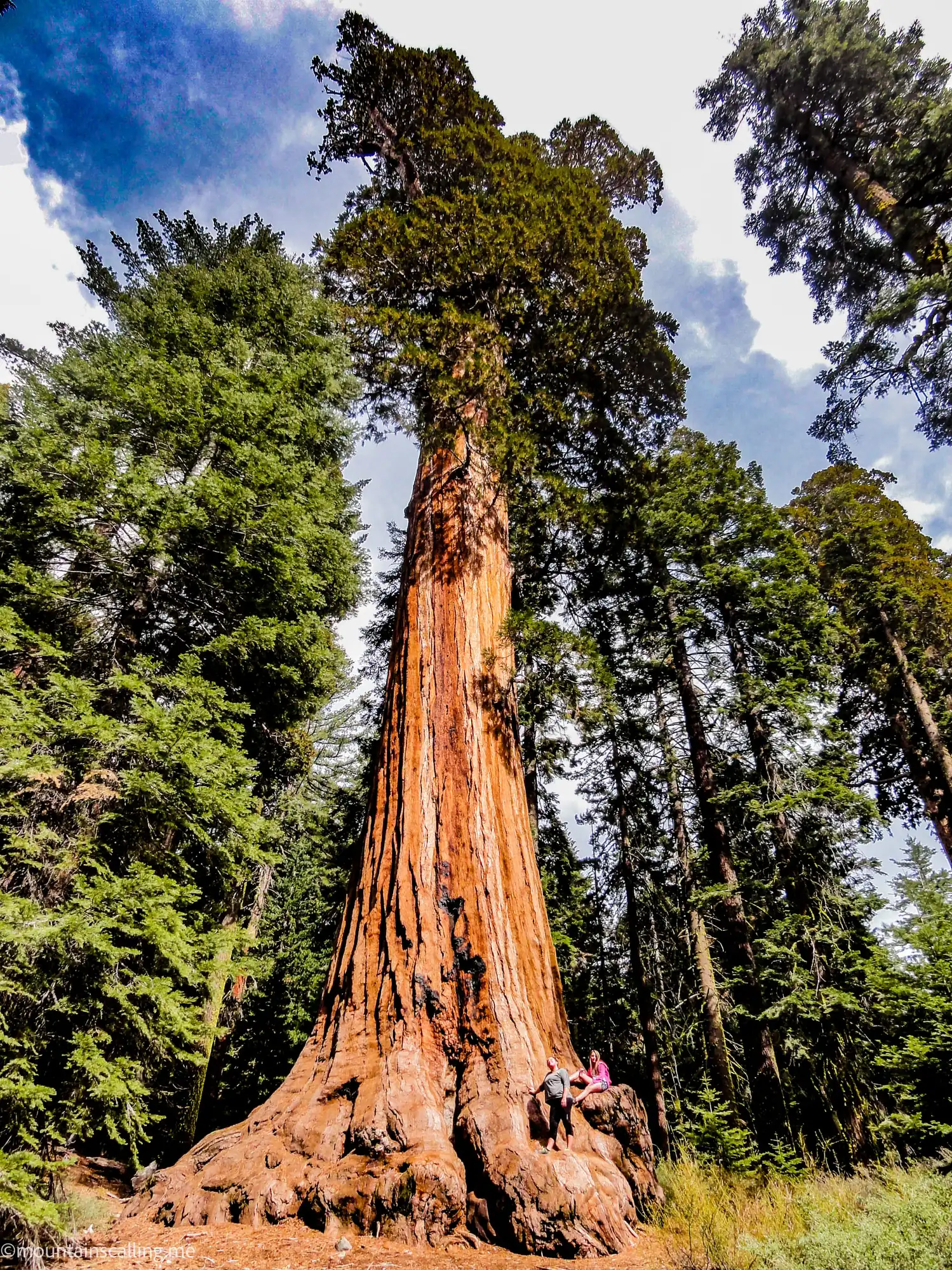
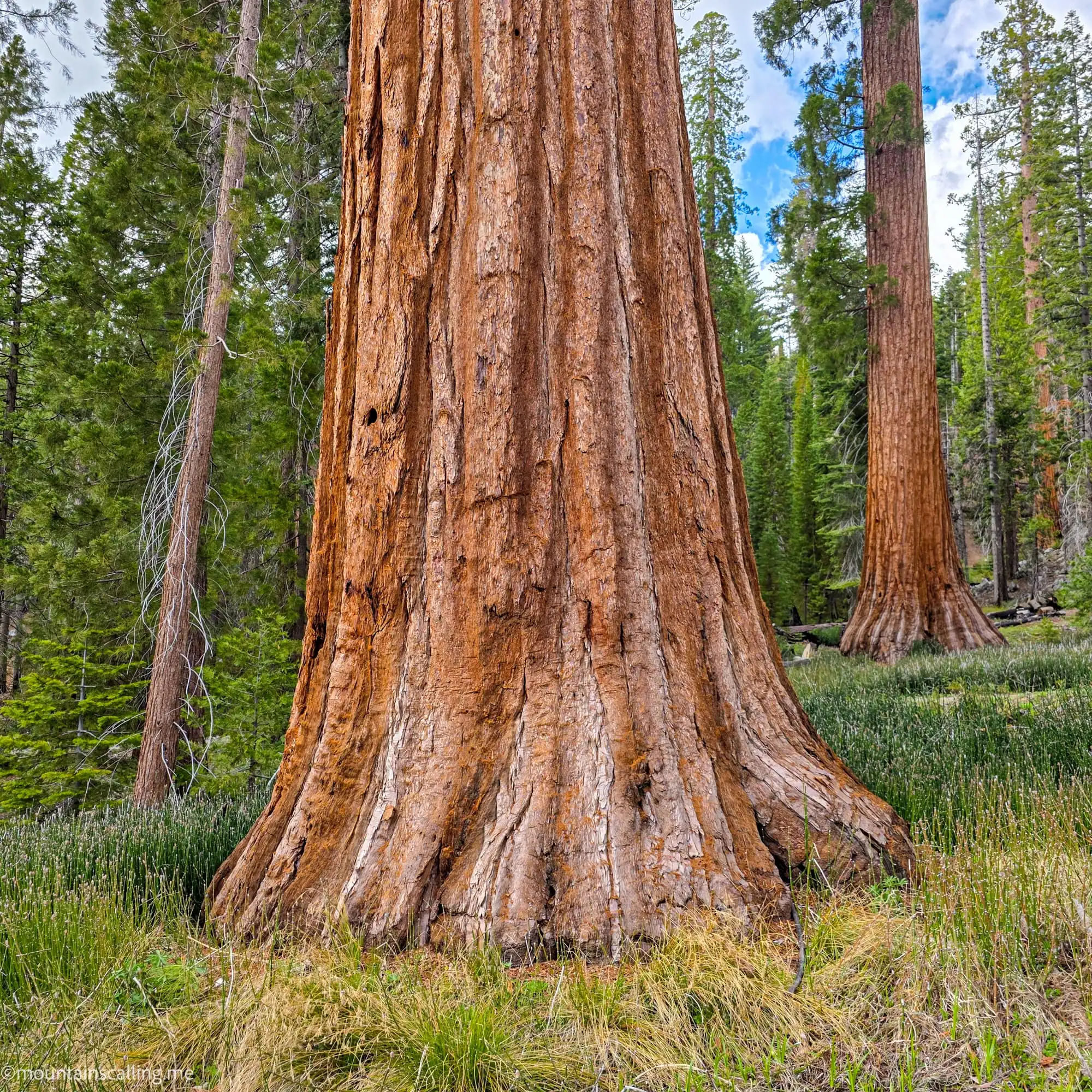
The Mariposa Grove showcases giant sequoias at every scale, from ancient monarchs you can walk beneath to towering specimens that dwarf the surrounding forest
Seasonal Guide
Spring (April through May). Shuttle service typically begins around mid-April, but dates vary. Early spring can mean snow at higher elevations in the grove, especially in the upper sections. Wildflowers appear along the Washburn Trail and in meadows throughout the grove. Crowds are lighter than summer. This is a beautiful time to visit if you're prepared for variable conditions.
Summer (June through September). Peak season. The lower grove will be crowded by mid-morning. The upper grove remains noticeably quieter. Heat can be a factor, especially on the exposed Washburn Trail and the climb to Wawona Point. Start early. Bring more water than you think you need.
Fall (October through November). My favorite time in the grove. The light is warmer, the crowds thin out, and the temperature is comfortable for hiking. Shuttle service continues into November but on shorter hours. Some years the shuttle ends in early November, some years late November. Check the schedule.
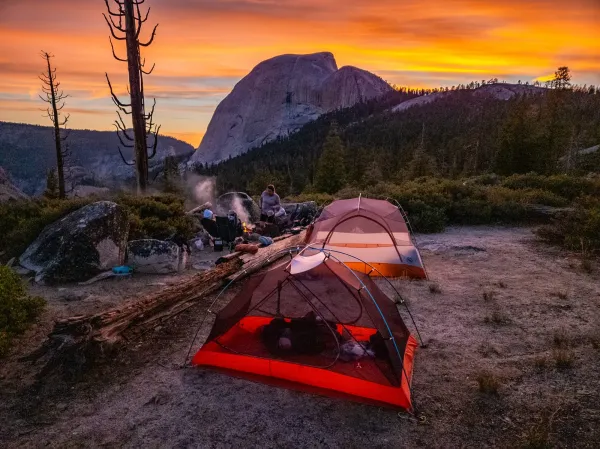
Winter (December through March). The road closes. The shuttle stops. The Washburn Trail or the road itself become your access points, adding 4 miles round trip. The grove is open to hikers, snowshoers, and cross-country skiers. If there's enough snow, skiing the Mariposa Grove Road up to the Arrival Area is a wonderful way in. The grove in winter, dusted with snow, without another person in sight, is one of the most peaceful places in Yosemite. Winter camping is allowed above the Clothespin Tree from December 1 through April 15, with a wilderness permit.
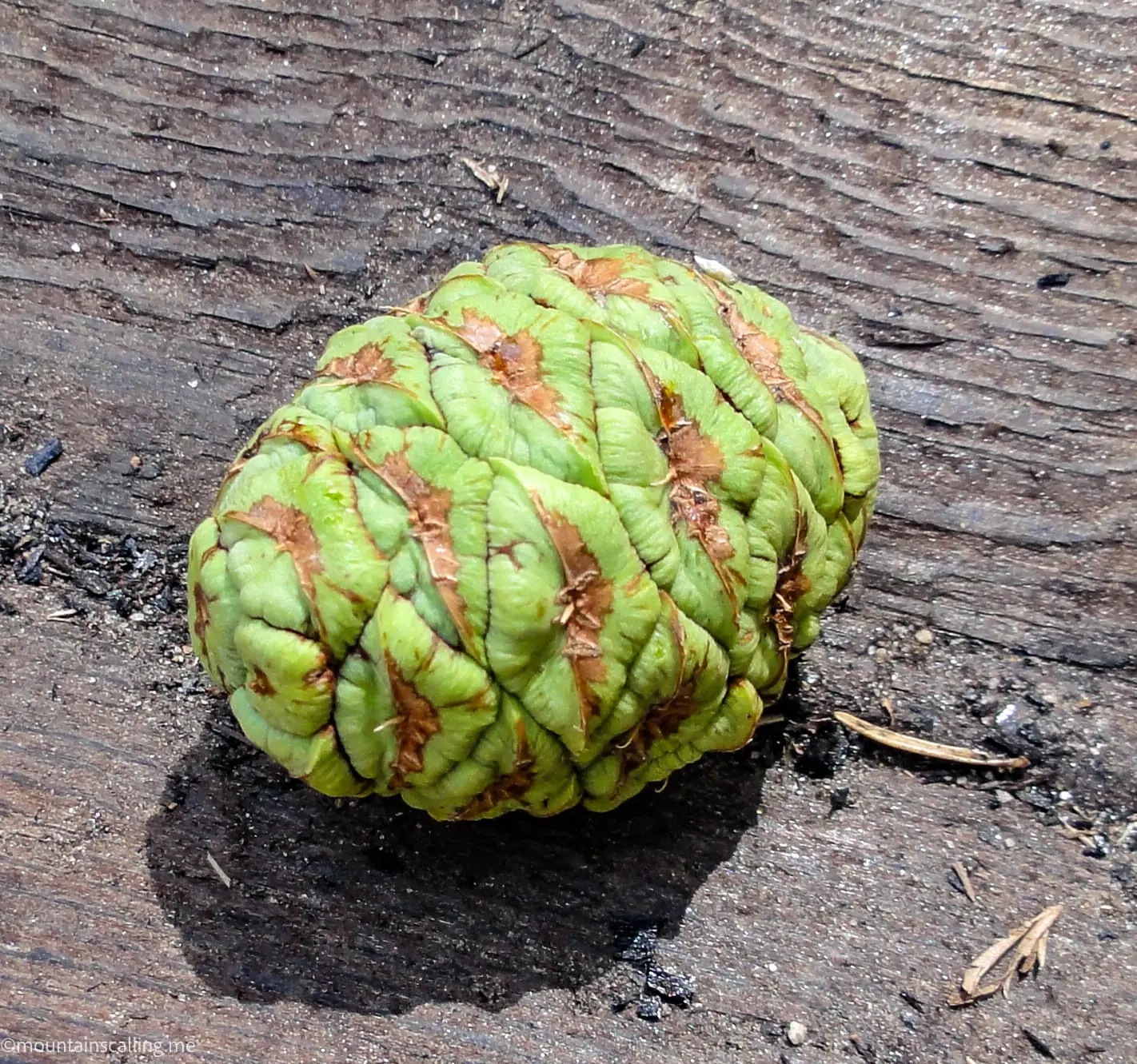
Planning Tips
No food anywhere. There are no food services at the Welcome Plaza or in the grove. The closest restaurants are at Tenaya Lodge in Fish Camp, about 4 miles from the South Entrance, or at the Wawona Hotel, about 7 miles north. Pack lunch, snacks, and more water than you think you need.
Water is limited. Potable water is available at the Welcome Plaza year-round and at the Arrival Area during summer only. There is no drinking water inside the grove. For the Guardians Loop or Full Mariposa Grove Trail, bring at least 2 liters per person. On hot days, bring more.
Dogs are not allowed. Not on the trails, not on the Washburn Trail, not on the shuttle, not on the Mariposa Grove Road. Nowhere in the grove. This is NPS regulation, not a suggestion.
Elevation matters. The Arrival Area sits at 5,600 feet and the trails climb from there. If you're arriving from near sea level, you may feel the elevation on the uphill sections. Take it easy, hydrate, and give yourself extra time.
Arrive early or walk in. During shuttle season, the Welcome Plaza parking lot can fill by 10 AM on summer weekends. If you arrive after mid-morning, you may need to wait for a parking space. Alternatively, hike the Washburn Trail before the first shuttle and have the grove to yourself.
Check the Day Hike Gear List before you go. Comfortable, broken-in shoes with good traction. Layers for temperature changes as you gain elevation. Sun protection. The basics make a difference on a 6-7 mile day with 1,200 feet of climbing.
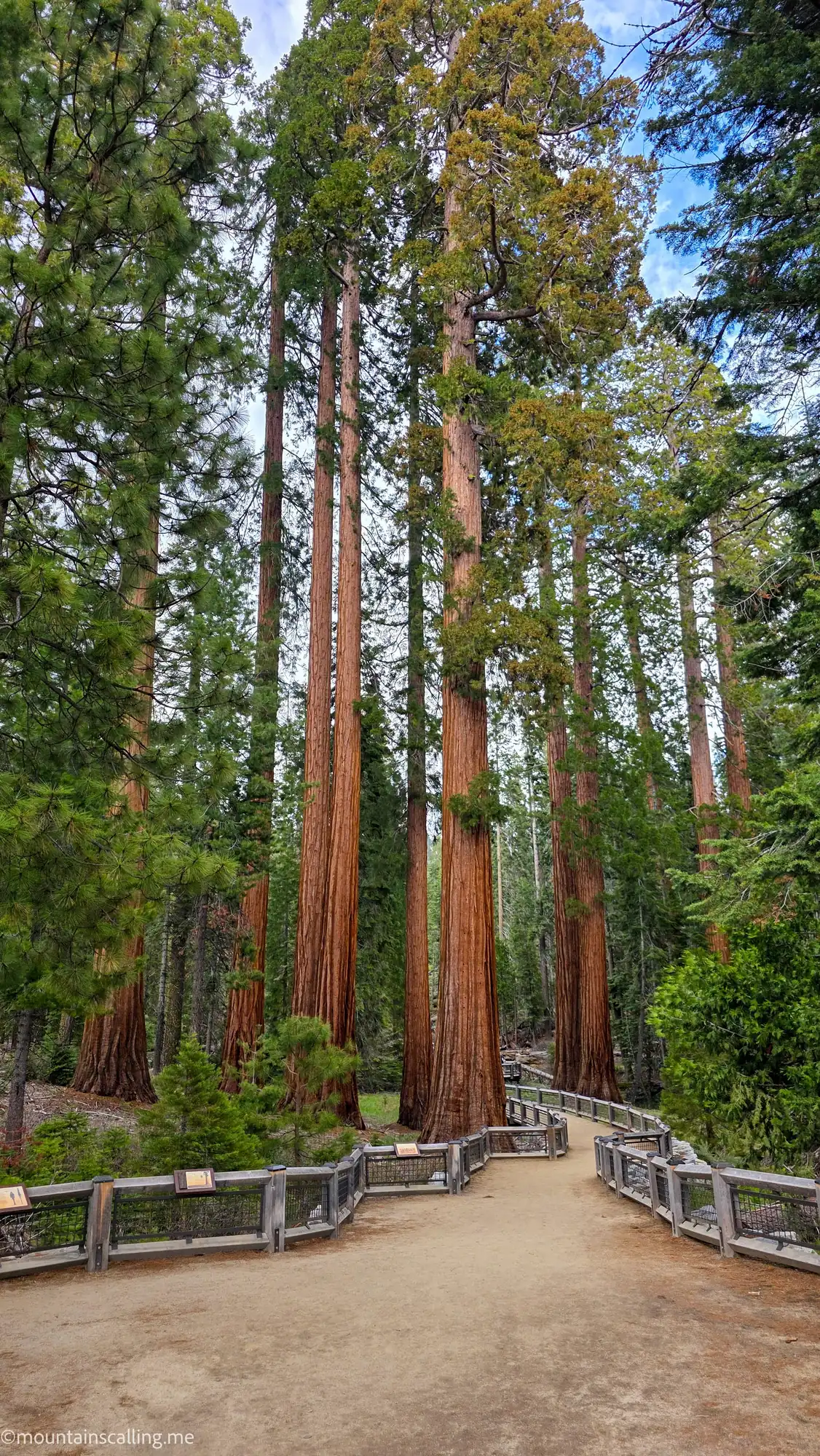
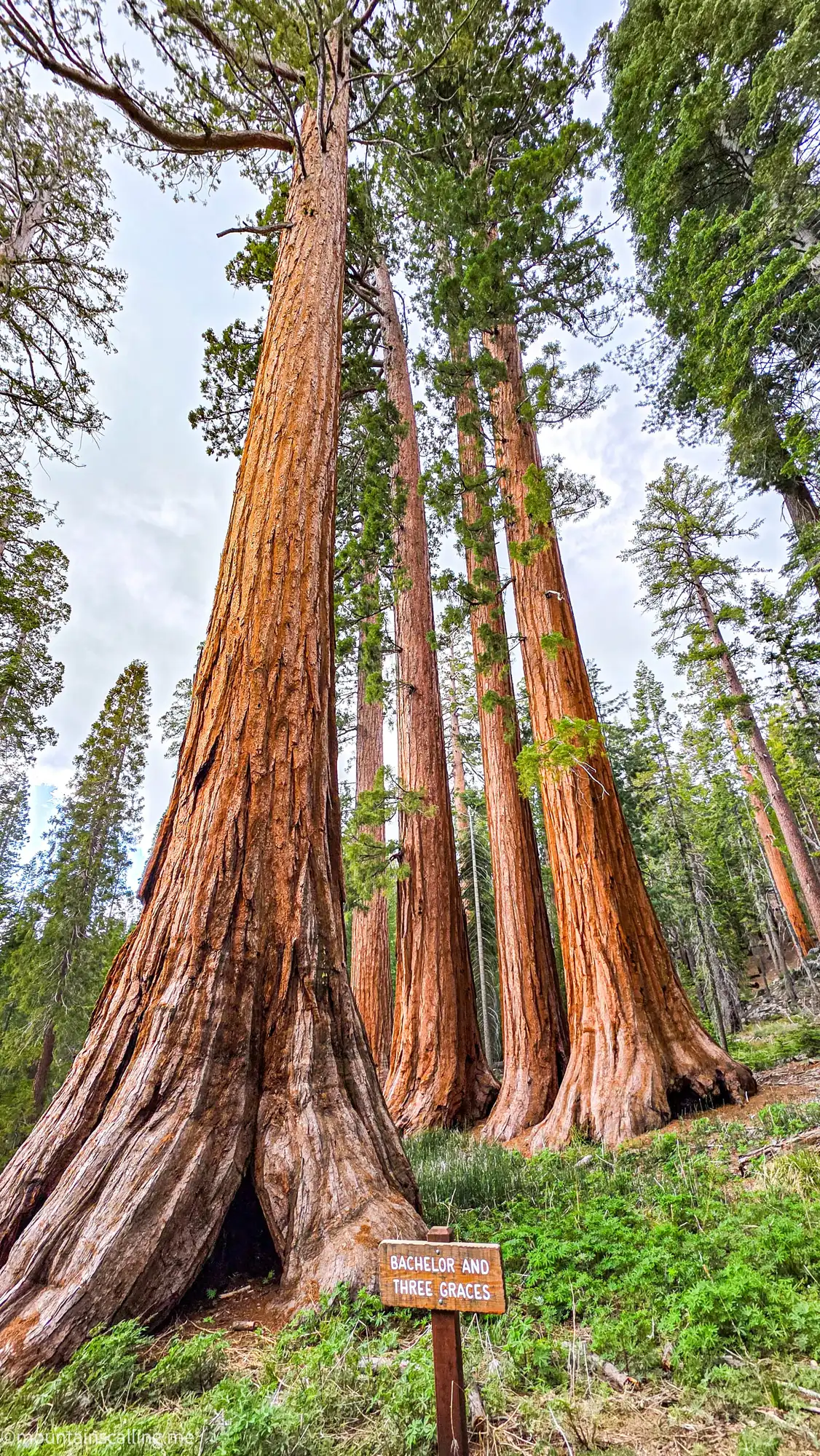
The Mariposa Grove's towering giant sequoias rise hundreds of feet above the accessible boardwalk trail. These ancient trees, including the famous Bachelor and Three Graces group, showcase why this grove remains one of Yosemite's most stunning and easily reached destinations
Frequently Asked Questions
How long does it take to see Mariposa Grove? It depends on how much you want to see. The Big Trees Loop takes 30 to 45 minutes. The Grizzly Giant Loop is 1.5 to 2 hours. The Guardians Loop or Full Mariposa Grove Trail is 4 to 6 hours. Add shuttle wait time, or add about an hour each way if you're hiking the Washburn Trail. For the full experience, plan a half-day.
Can I drive to Mariposa Grove? Only if your vehicle displays a disability placard. Everyone else parks at the Welcome Plaza near the South Entrance and rides the free shuttle (seasonal) or walks the 2-mile Washburn Trail.
Is Mariposa Grove worth the trip from Yosemite Valley? Yes, but be realistic about timing. It's about an hour's drive each way from Yosemite Valley. If you're trying to squeeze it in alongside a Valley hike on the same day, you'll rush through both. Give the grove its own morning or afternoon. If you have the time to do the Guardians Loop or the full trail, it's one of the most rewarding experiences in the park. If you only have time for the Grizzly Giant Loop, it's still worth the drive.
What's the best time of year to visit Mariposa Grove? Fall. Lighter crowds, comfortable temperatures, golden light. Summer works if you arrive early. Spring is beautiful but conditions are variable. Winter is special if you're prepared for the extra mileage and potential snow.
I'm Eric, owner and guide at Yosemite Life and a professionally permitted Yosemite guide. I offer guided backpacking trips and private day hikes for anyone who wants to experience Yosemite's giant sequoias with someone who knows every tree in the grove. Mariposa Grove is one of my favorite places to guide because the pace is different from a summit push. It's about being present with something ancient. If you want to see the full grove with context, history, and no logistical stress, let's talk.